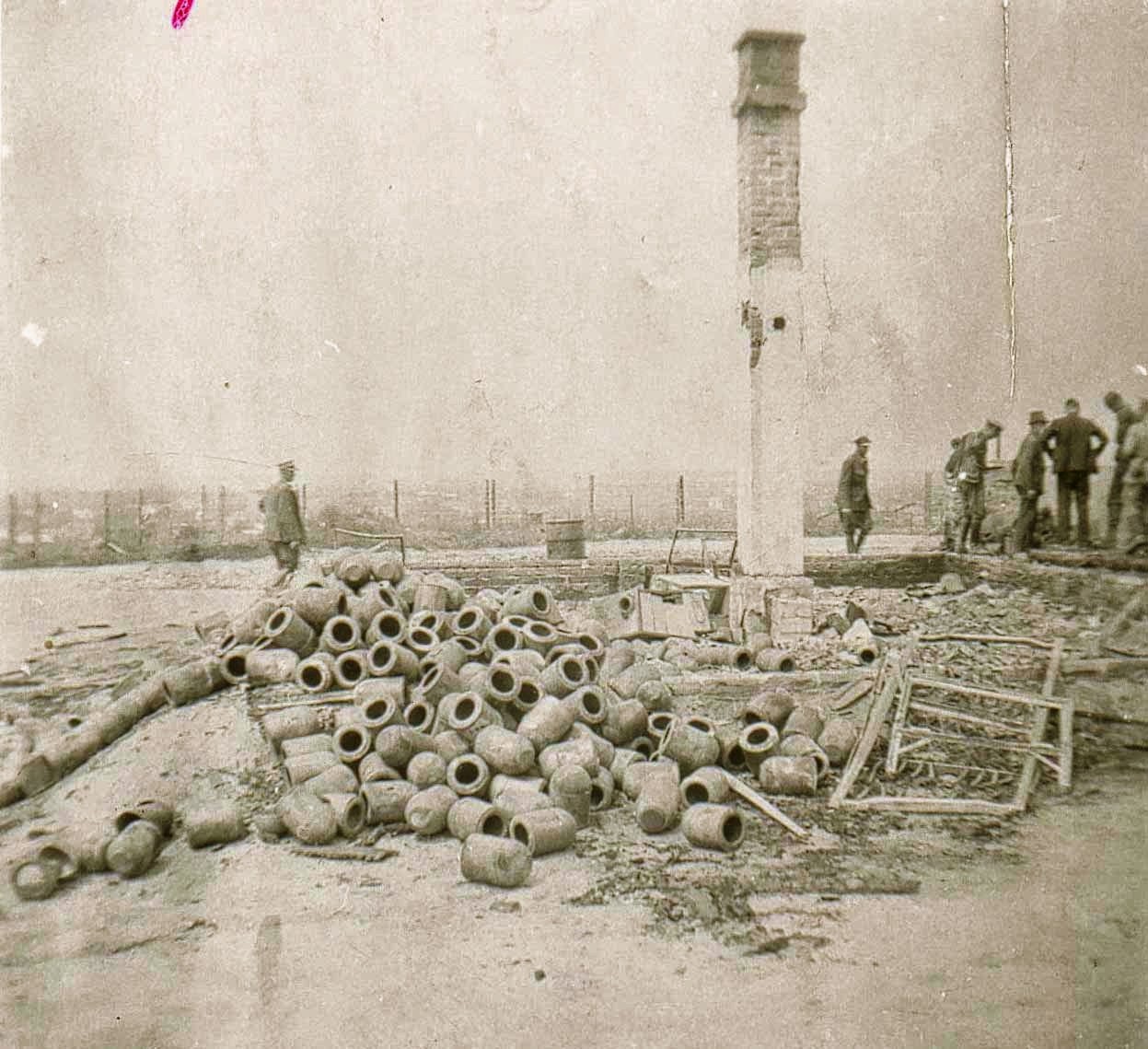
Flying Saucer with dirt pile on google maps:
https://www.google.com/maps/place/State ... FQAw%3D%3D
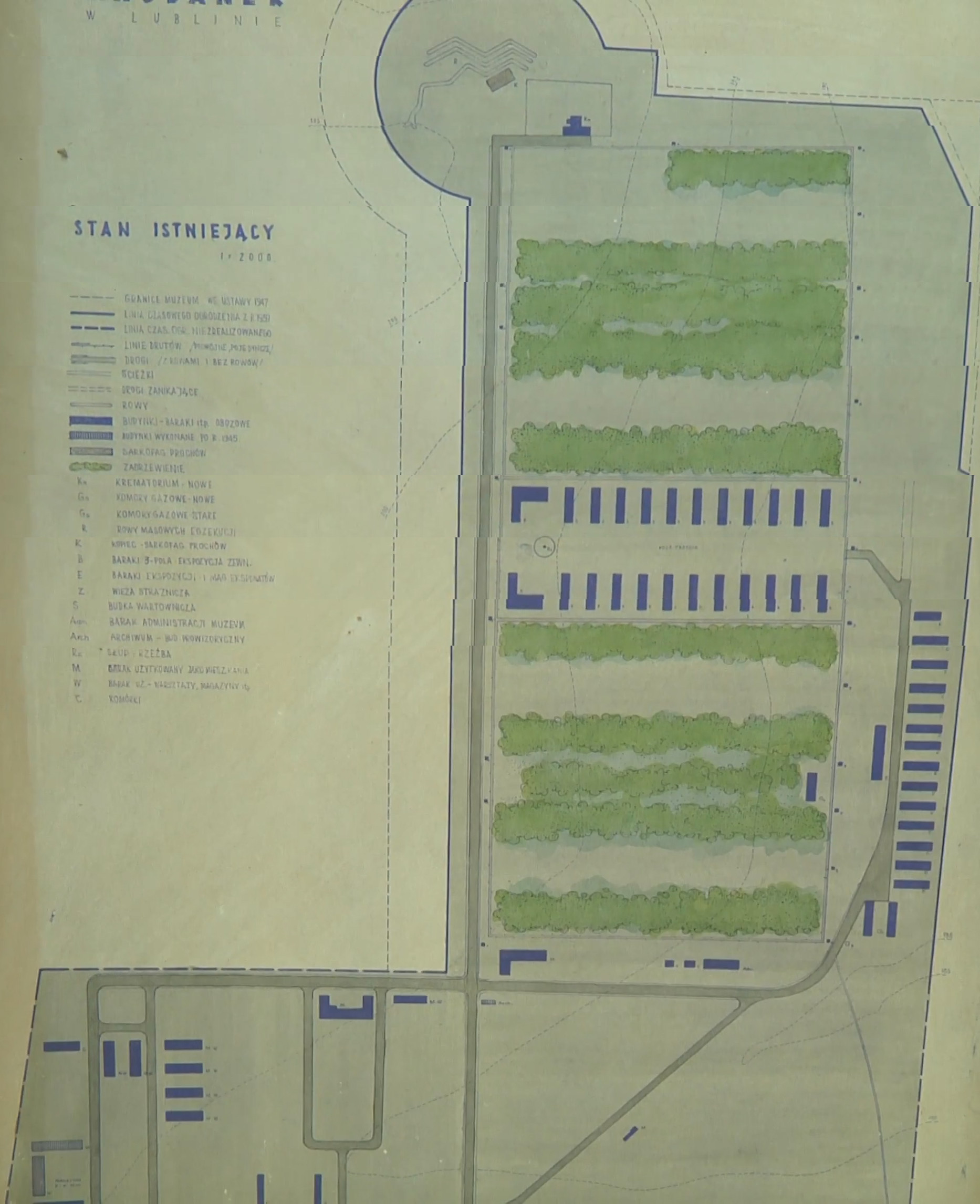
If I'm not mistaken, isn't this building located between fields 1 and 2, and next to the western fence? So it's a building that basically every tourist sees on their way in and out. The red cross in the window would be seen by all.Fred Ziffel wrote: ↑Tue Jul 08, 2025 4:39 am
The side-by-side photo depicting a then and a fairly recent now scene. The photo on the left is the building that was a camp hospital for inmates in 1944 as indicated by the sign I circled for your ease of finding. The photo on the left is the same building taken in 2015. I circled the same window.
If you were someone that believed in the Holobunga and took a tour of the camp, and saw that building, you would never know the role of that building when the Germans occupied Majdanek. Most likely, you would not give that building a second look. No shame in that even for those here who know a little something about this camp.
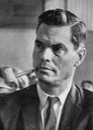
Maybe someone with relevant training and experience can explain how two people can fit in one noose. How would it be tight enough around the two necks to cause death?Pohlmann forced people to eat feces. Such a German weakness. One prisoner, a clergyman, was hung on an elasticized gallow placed over a latrine. The body of the martyr rose and fell so that his head time after time was submerged in feces. The agony lasted three days.
[...]
Economical, frugal, as Germans are, in spending on tools of murder. Into the cramped gas chamber, crowded with victims, one throws a few pills of Zyklon [sic]. In the humidity, caused by people’s breath, the horrid tablets melted. The victim inhaled the poison, after that emphysema, bleedings, spurts of feces. Such death prepared the German science for innocent people. Mothers and babies. Two were hanged in one noose. Specification of the types of death was as following: 1) shooting, 2) submerging of heads in shallow water, 3) hanging – gallows were on each field, 4) Zyklon, 5) shot of Evipan, 6) beating to death, 7) gassing in special cars, 8) death from hunger, 9) epidemics caused by special regime and living in the camp.
- Jehoszua Szlajen, Majdanek (Notes from the Courtroom), Document 42.